LAN’s History
Founded in 1935, LAN has grown from its humble beginnings as a small Houston firm to a national leader in the civil infrastructure engineering industry. LAN has worked to build a reputable, multi-disciplinary firm that draws on the expertise of individuals to develop designs and solutions that are entirely based on the needs of our clients and the general public. With more than 90 years behind us, our journey has been one filled with milestones.
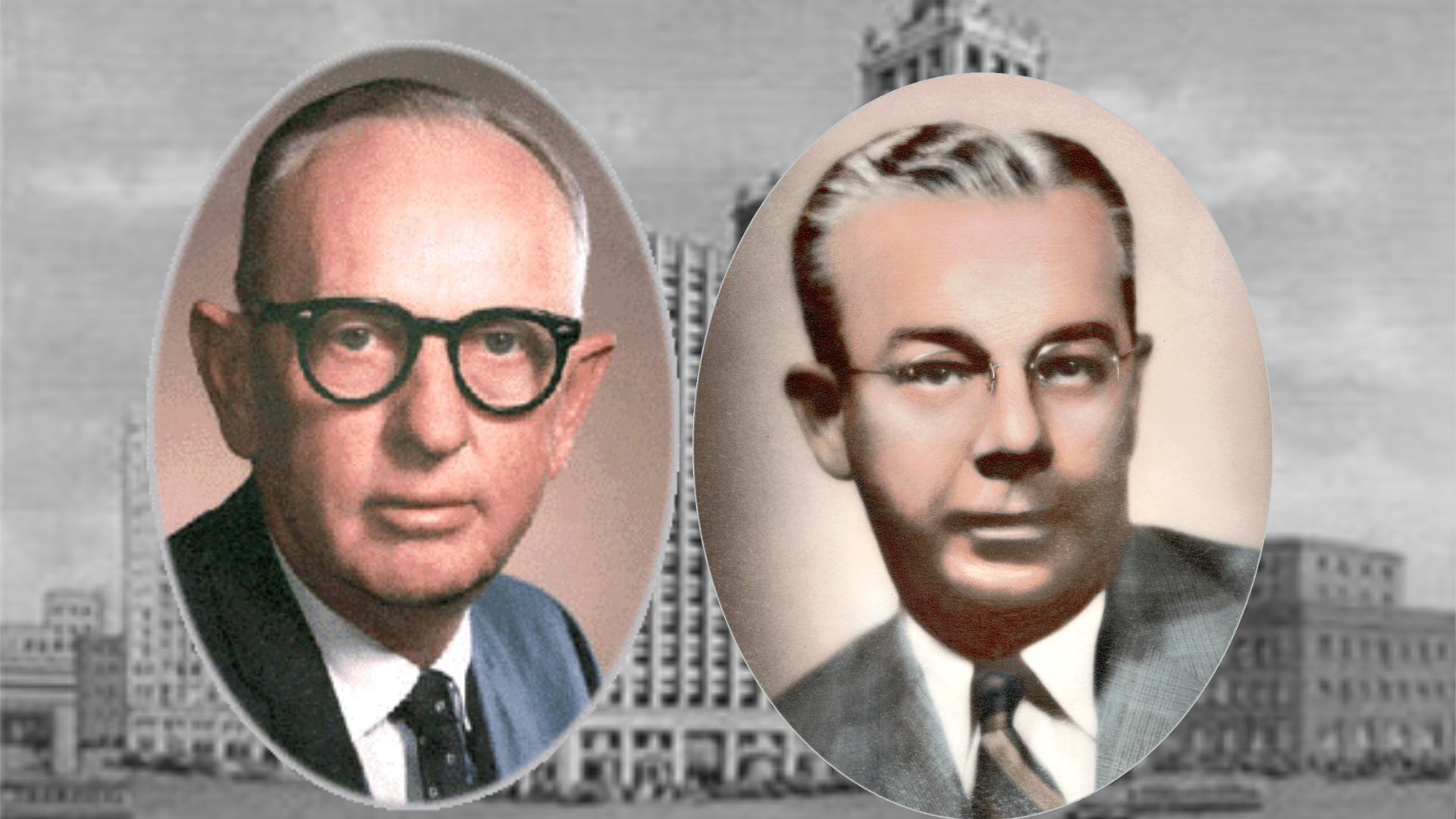
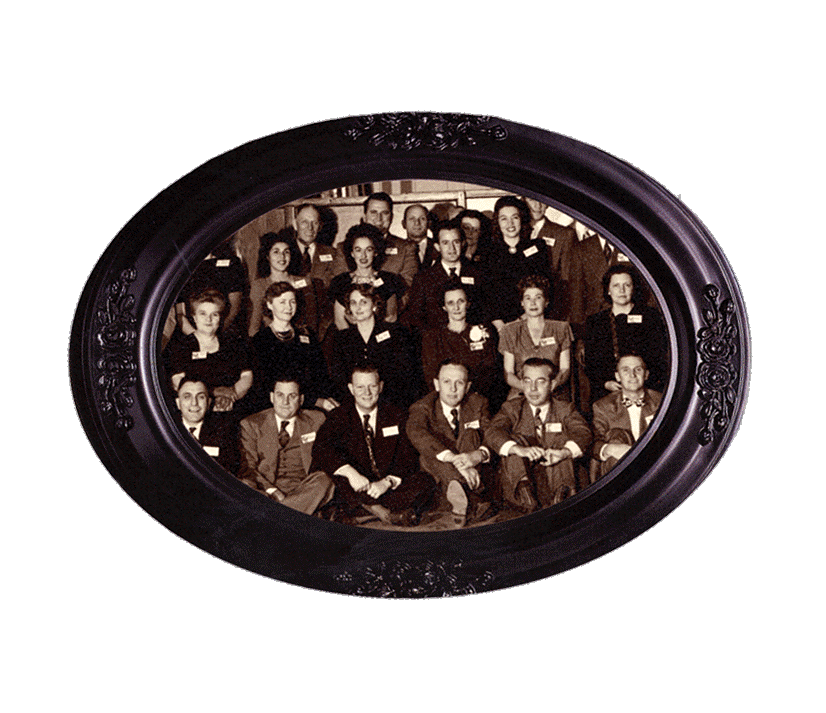
With a vision of the future, a small consulting firm opened its doors in 1935. The firm’s founders, Mason Graves Lockwood and William McIntosh Andrews were two young engineers with a dream. This was during the Great Depression and a difficult time to start and establish a new business.
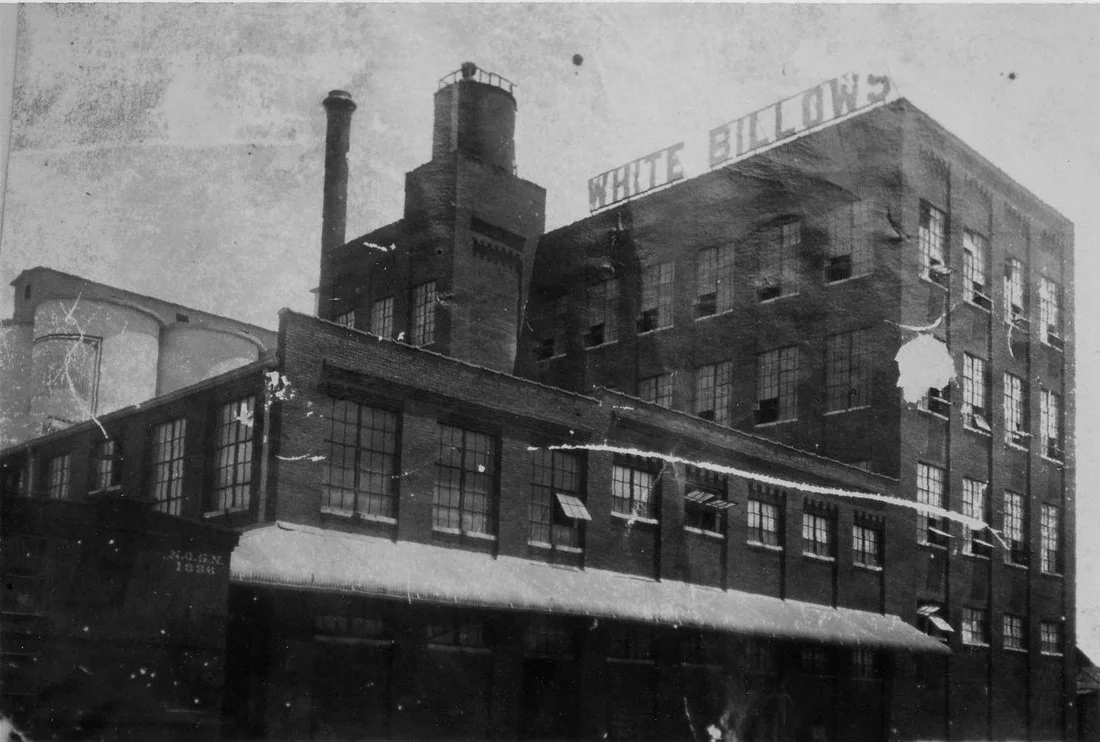
Lockwood and Andrews meet Jack Burrus, President of Burrus Mills, Inc. He was impressed by their ability and determination and agreed to provide them with a yearly retainer to enable them to begin. So, along with J.R. Dowdell, a mechanical engineer, they formed the new firm of Dowdell, Lockwood & Andrews. Offices were opened in the Esperson Building in downtown Houston.
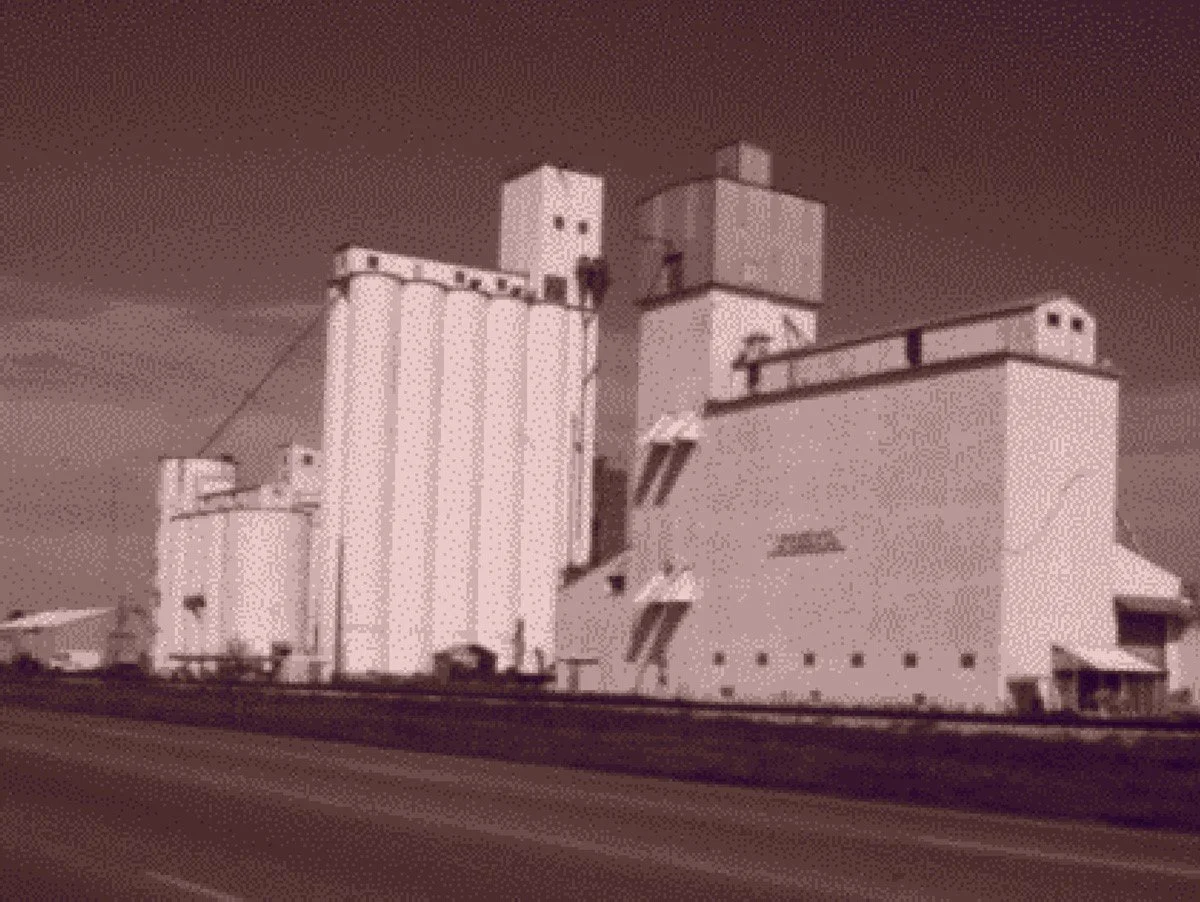
Mr. Burrus had widespread grain storage and grain operations interests in Texas and neighboring states. His first two jobs for the new team were the design and construction of new grain elevators in Amarillo and Lubbock, Texas. This relationship continued until Burrus Mills was sold and Mr. Burrus retired in 1966.
The depression, with its accompanying unemployment, was still dominating the economy in 1940, but the threat of war initiated major military construction programs. In the spring of 1941, Lockwood & Andrews were awarded the engineering contract for the San Jacinto Ordnance Depot. The 5,000 acres along the north side of Houston’s ship channel make up present days Jacinto Port. Contracts for the design of additional military projects followed. They formed the main workload for the firm for the rest of the war years.
The firm worked on various war-related projects such as reservoirs, pump stations and large water supply lines from river sources to the ship channel and other industries, including the Harris reservoir on the Brazos for the Dow Plant at Freeport.
Another project, financed by the federal government, was the design and construction of the original plant for Converted Rice, Inc. (now Uncle Ben’s, Inc.) in Houston. The plant was based on a process that preserved the vitamins in the rice grain, giving the product long life and resistance to deterioration, which appealed to the military services during the war.
With the growth of the firm, Mason Lockwood and Bill Andrews realized they needed additional help to run it. Frank H. Newnam, Jr., a classmate of Bill Andrews at Texas A&M, joined the firm as a partner.
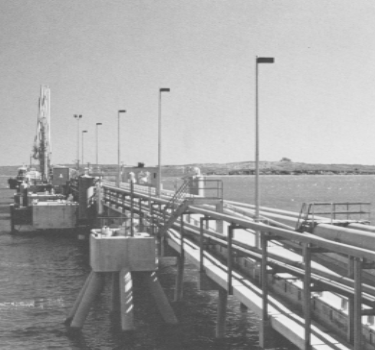
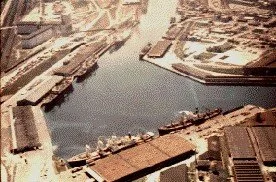
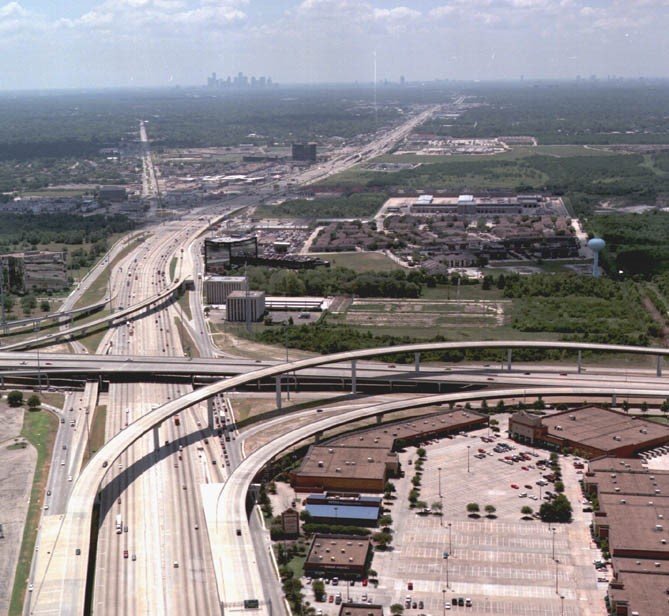
With its growing capacities and abilities in the period shortly after World War II, the firm took on work for ports, municipalities, other government agencies, industries and institutions. Projects included several very large incinerators for the City of Houston, a section of the Gulf Freeway and wharves for the Port of Houston.
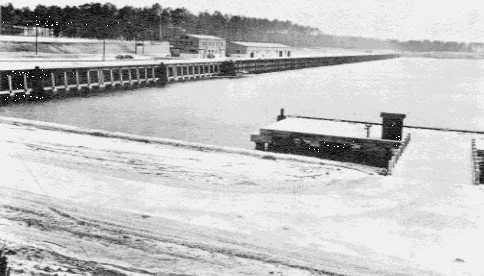
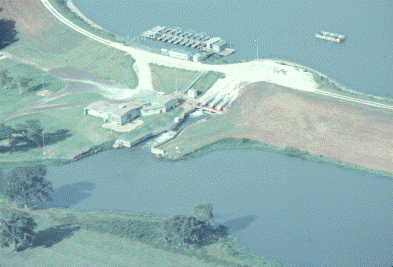
The firm was now off and running with a constantly increasing number of jobs and an ever-increasing list of clients. A major 1950’s project was the intake structure and main pumping station at Lake Houston with 12 miles of concrete-lined canal from the pumping station to the City’s treatment plant.
The name of the firm was changed to Lockwood, Andrews & Newnam (called LAN hereafter). Until 1960, the three partners remained owners of the firm, assisted by key personnel or division heads. After the death of the original partner and founder Bill Andrews, it was decided to continue the firm name. The firm was incorporated in 1961.
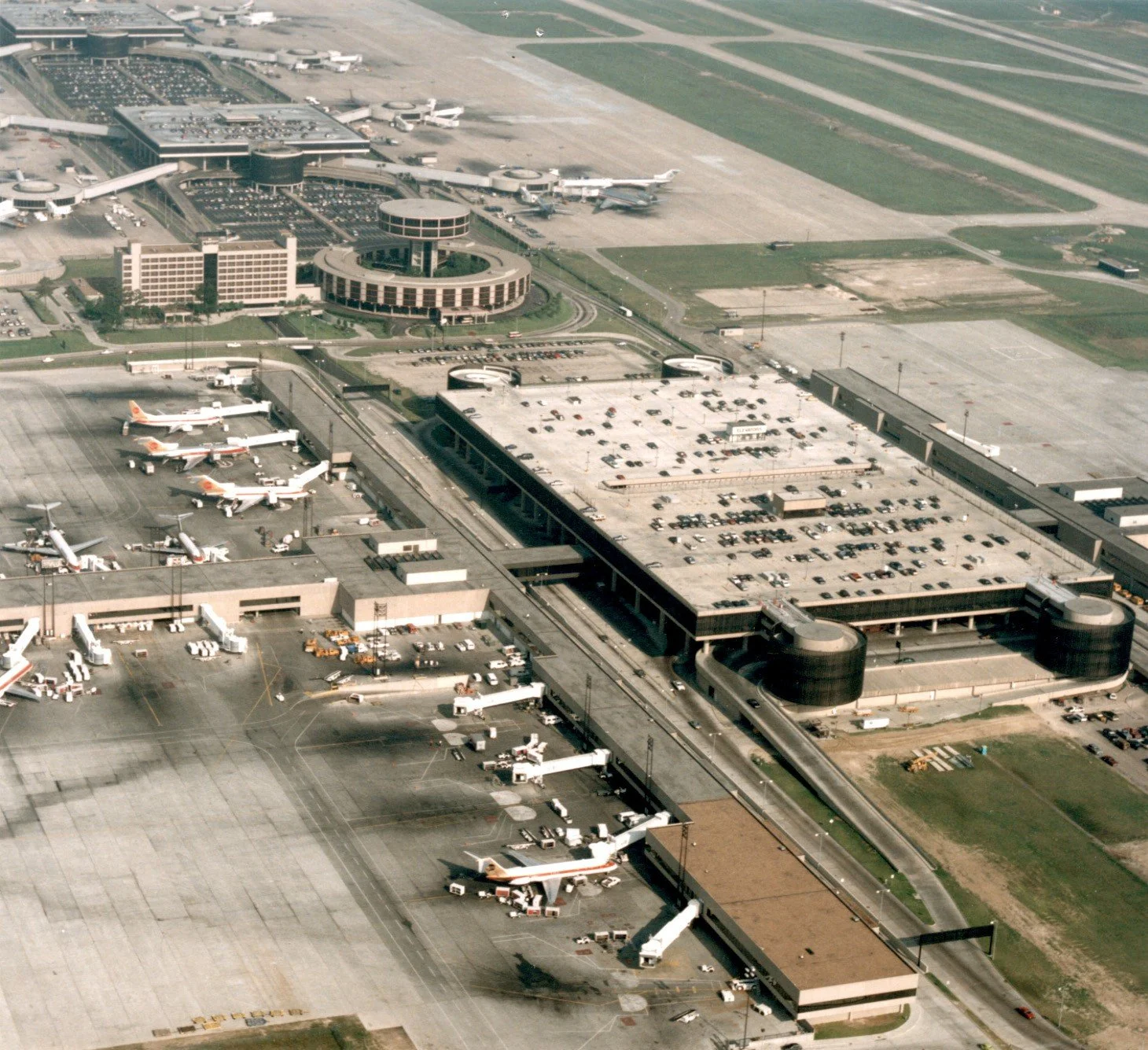
The firm joined a joint venture for the master planning and design of the Houston Intercontinental Airport which continued for twenty years for the phased growth of the airport.
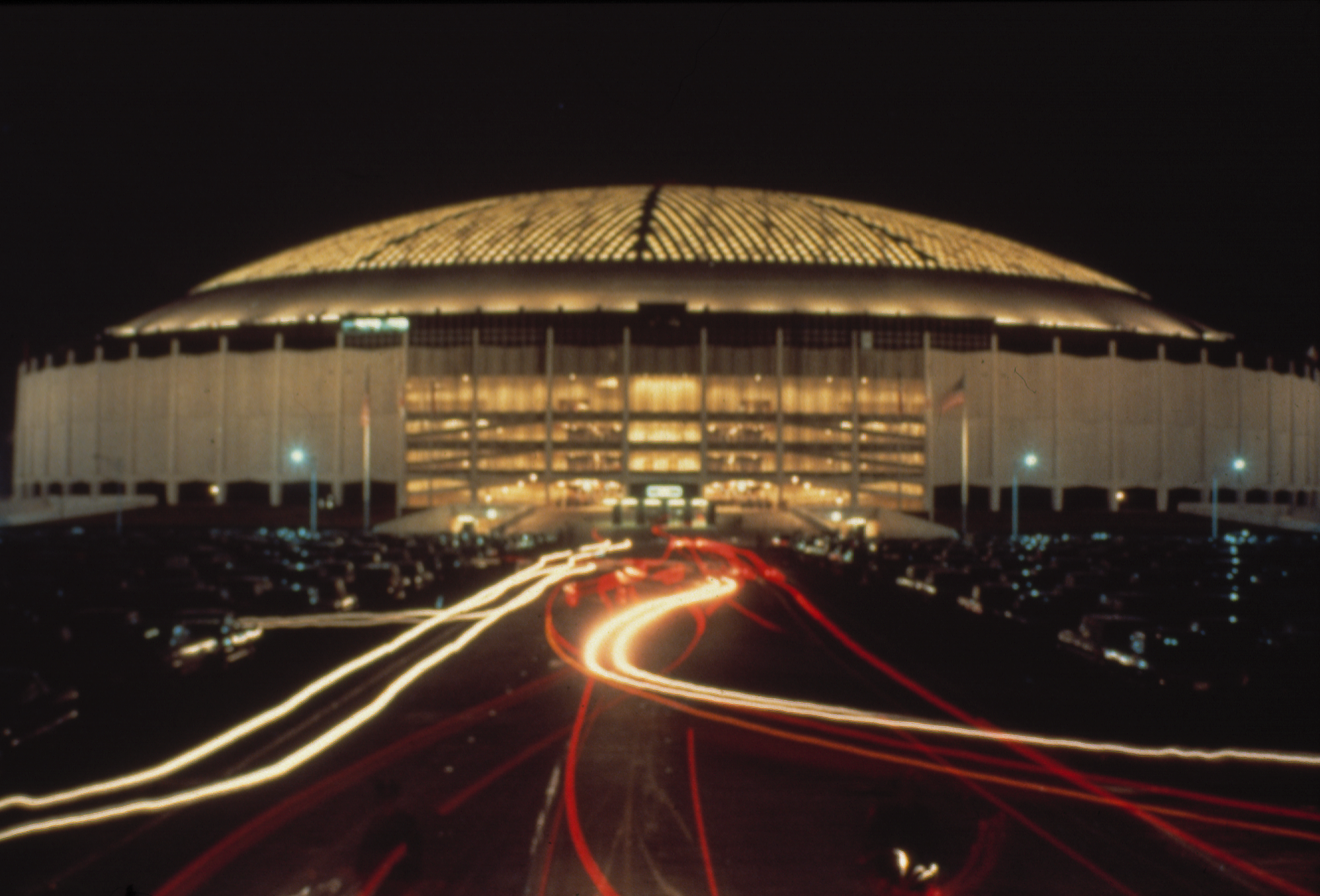
The firm provided the excavation and sub-drainage (sunken playing field), electrical design, and plans and specifications for the Astrodome, Houston’s unique domed stadium, which set new standards for stadium design. Electrical design included the $2,000,000 scoreboard.
In order to avoid the problems that have beset engineering firms upon the death or retirement of the original principals, a plan initiated in 1966 by Mason Lockwood and Frank Newnam detailed a process for the orderly transfer of ownership and management.
The firm establishes offices in Dallas, Denver, Los Angeles and San Antonio.
LAN moved into hazardous waste management. It was responsible for the remedial investigation, feasibility study, design and construction management of the Sikes Disposal Pits Superfund Site near Crosby, Texas. This $120 million remediation project involved the incineration of 350,000 cubic yards of contaminated soil and groundwater remediation and is the largest Superfund project successfully completed.
The firm takes on program and construction management of a $200 million program of large diameter transmission mains to convert the City of Houston from a predominately groundwater supply system to an 80 percent surface water supply system for the control of subsidence in the area.
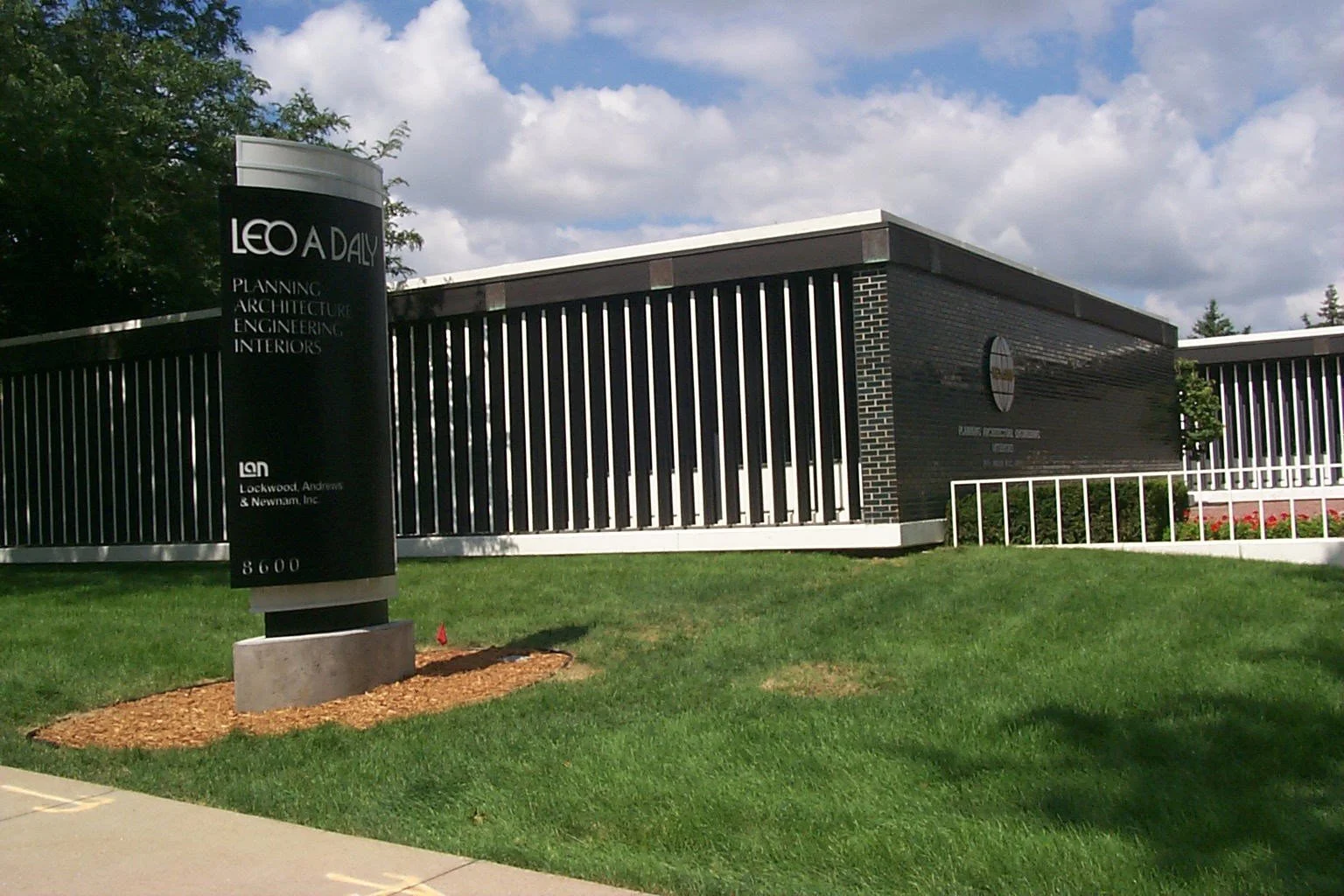
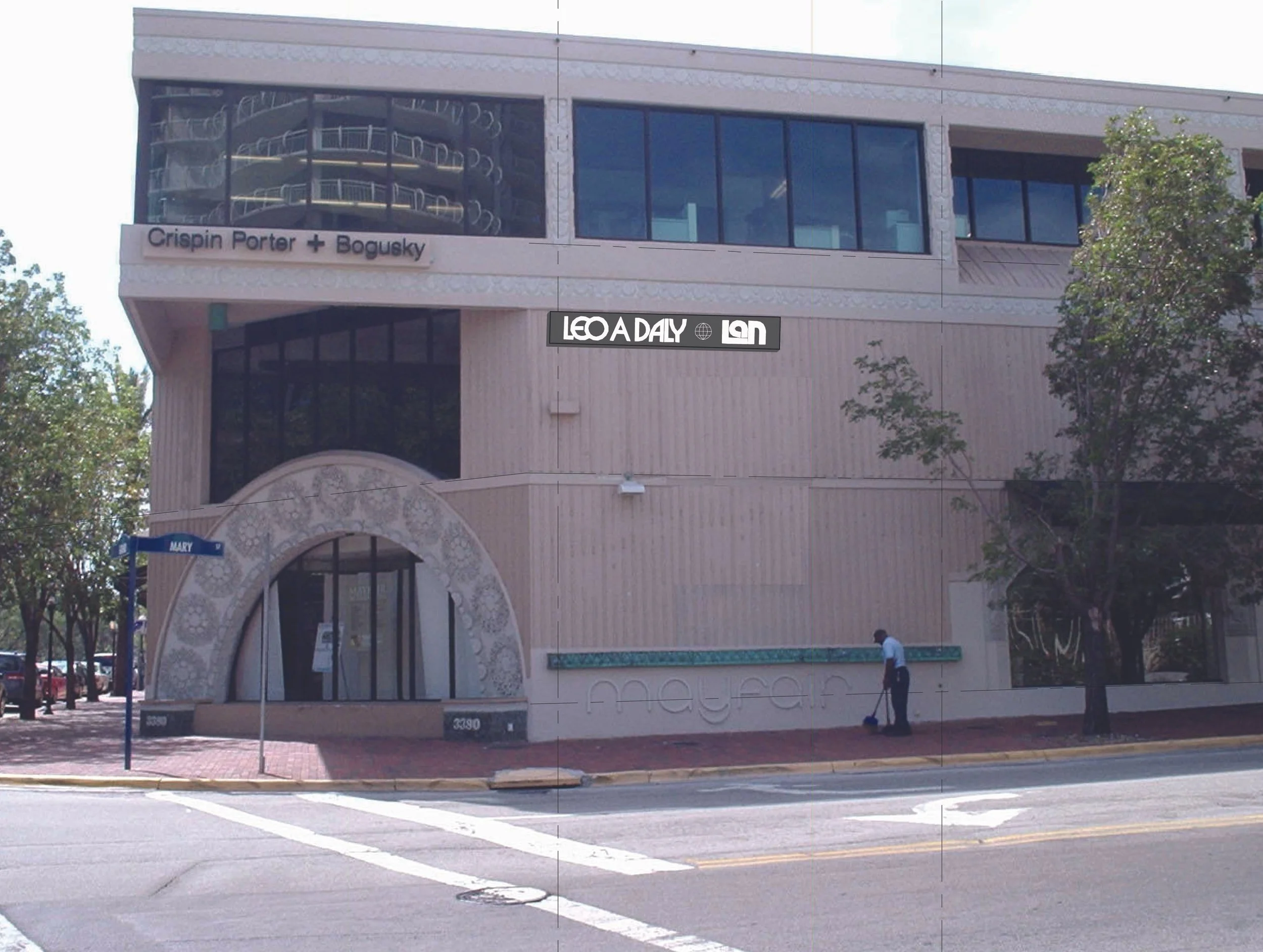
The Leo A Daly Company, a national architectural and engineering firm, acquired LAN, which then became the wholly owned subsidiary of the Daly organization. This enhanced LAN’s ability to provide services for a wide range of projects and assignments throughout the U.S. and internationally.
LAN opens a new office in Austin, Texas.
LAN begins providing Right-of-Way acquisition services under TxDOT’s Right-of-Way Acquisition Progessional Services Program to support major infrastructure projects across Texas.
LAN acquires Walton Associates to launch the firm into providing K-12 bond program management services.
LAN expands its services to the Western and Midwest region, with new offices in Sacremento, Chicago, Flint, Tampa, Las Vegas and Milpitas.
LAN is contracted for the Silicon Valley Berryessa Extension project, the largest commuter project in Northern California.
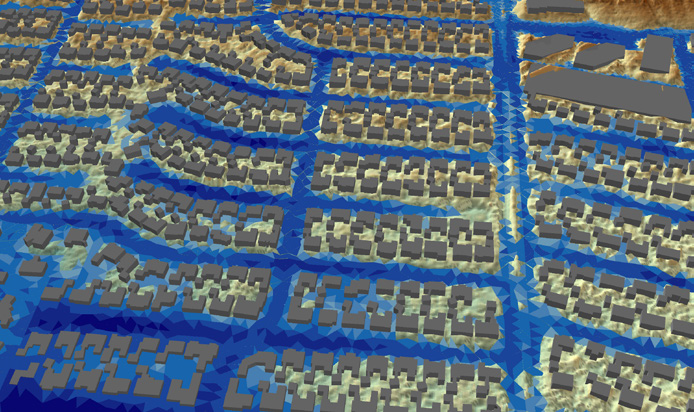
The firm expands its capabilities in water quality modeling and tool development, becoming an early adopter of two-dimensional modeling for complex drainage analysis and began providing holistic watershed master planning.
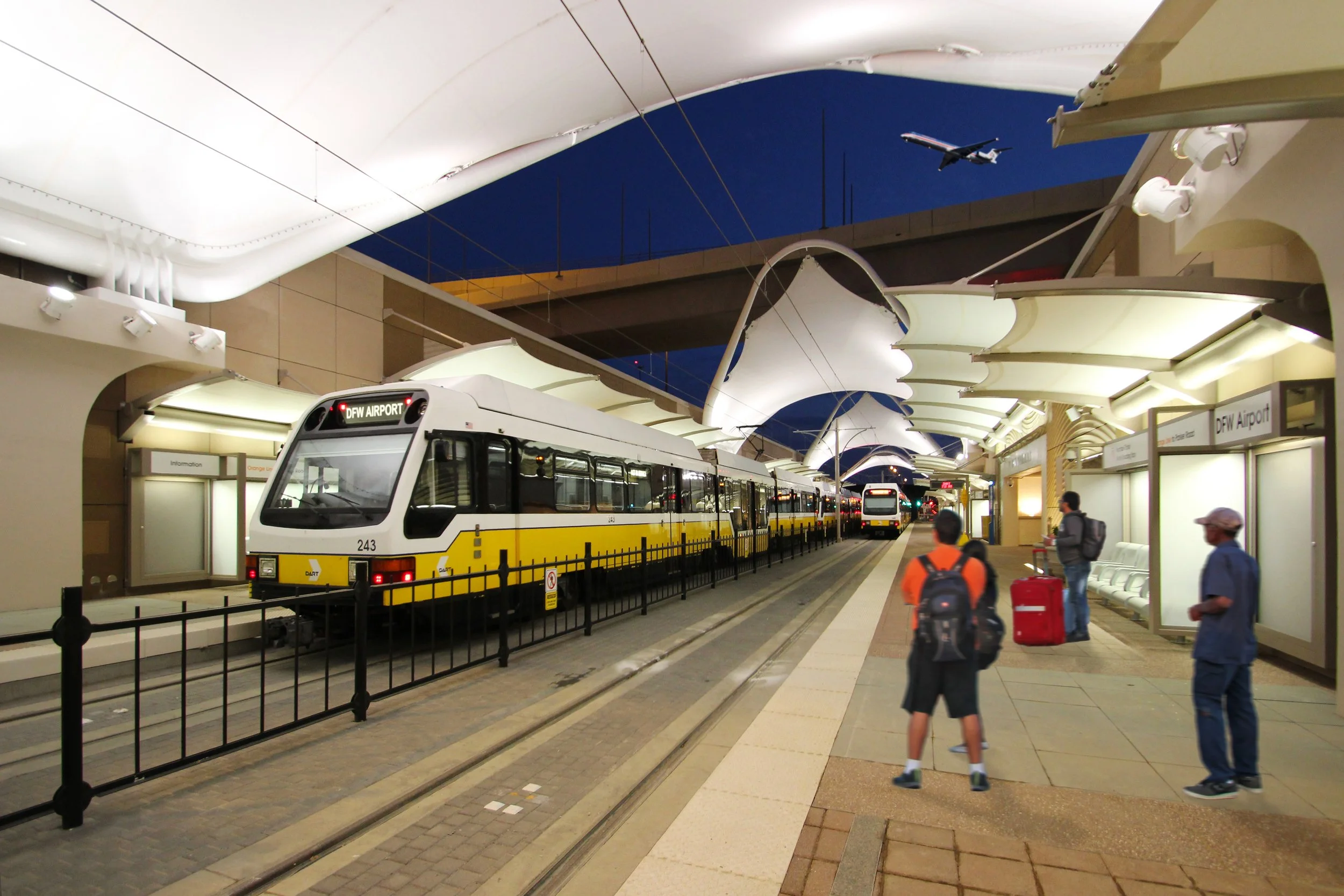
The Dallas Area Rapid Transit Orange Line opens into the airport - the 4th light rail in the country to connect to an airport.
LAN continues to expand its project portfolio, including major water, wastewater, transportation and stormwater management projects across Texas and the U.S.
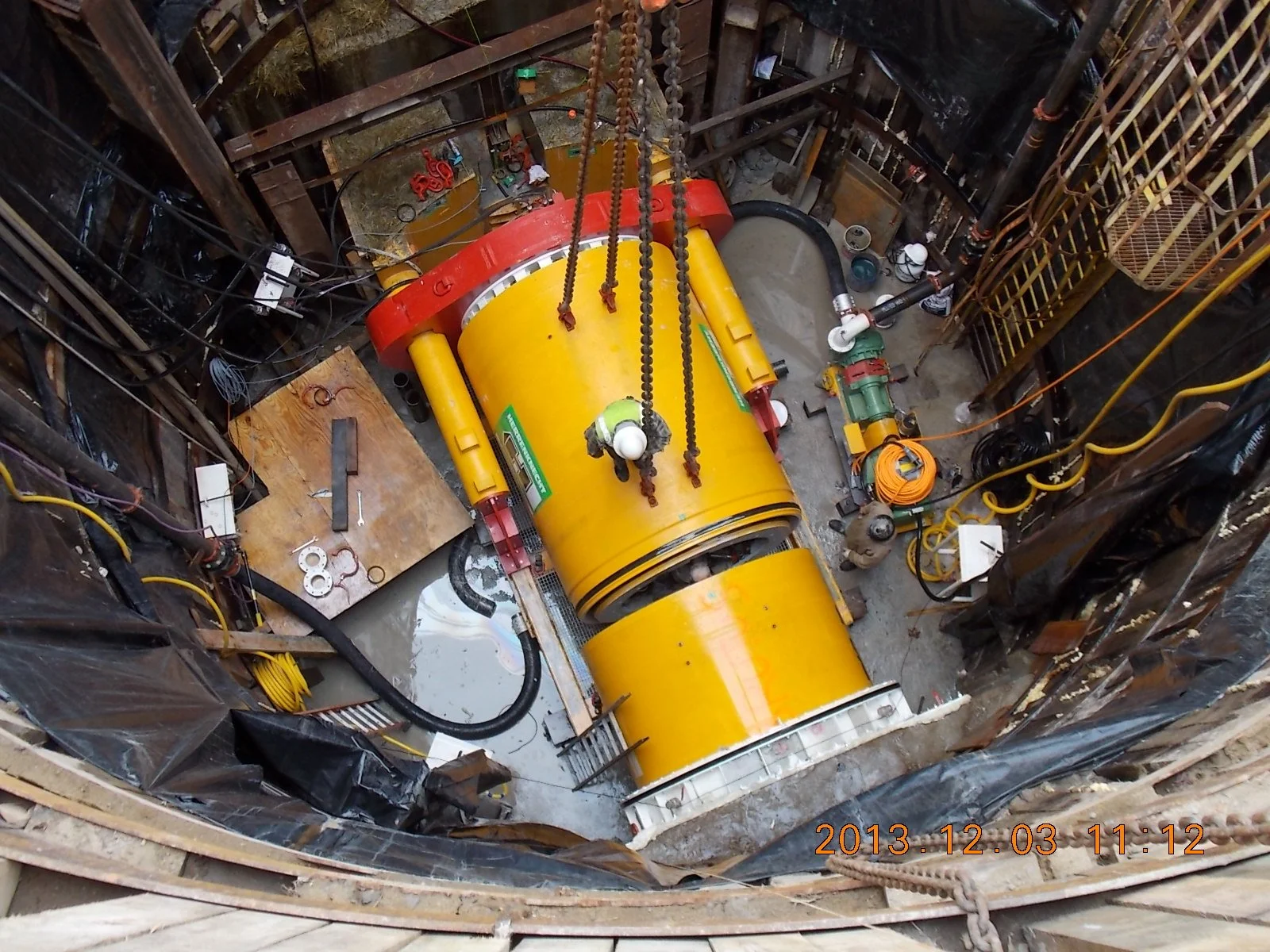
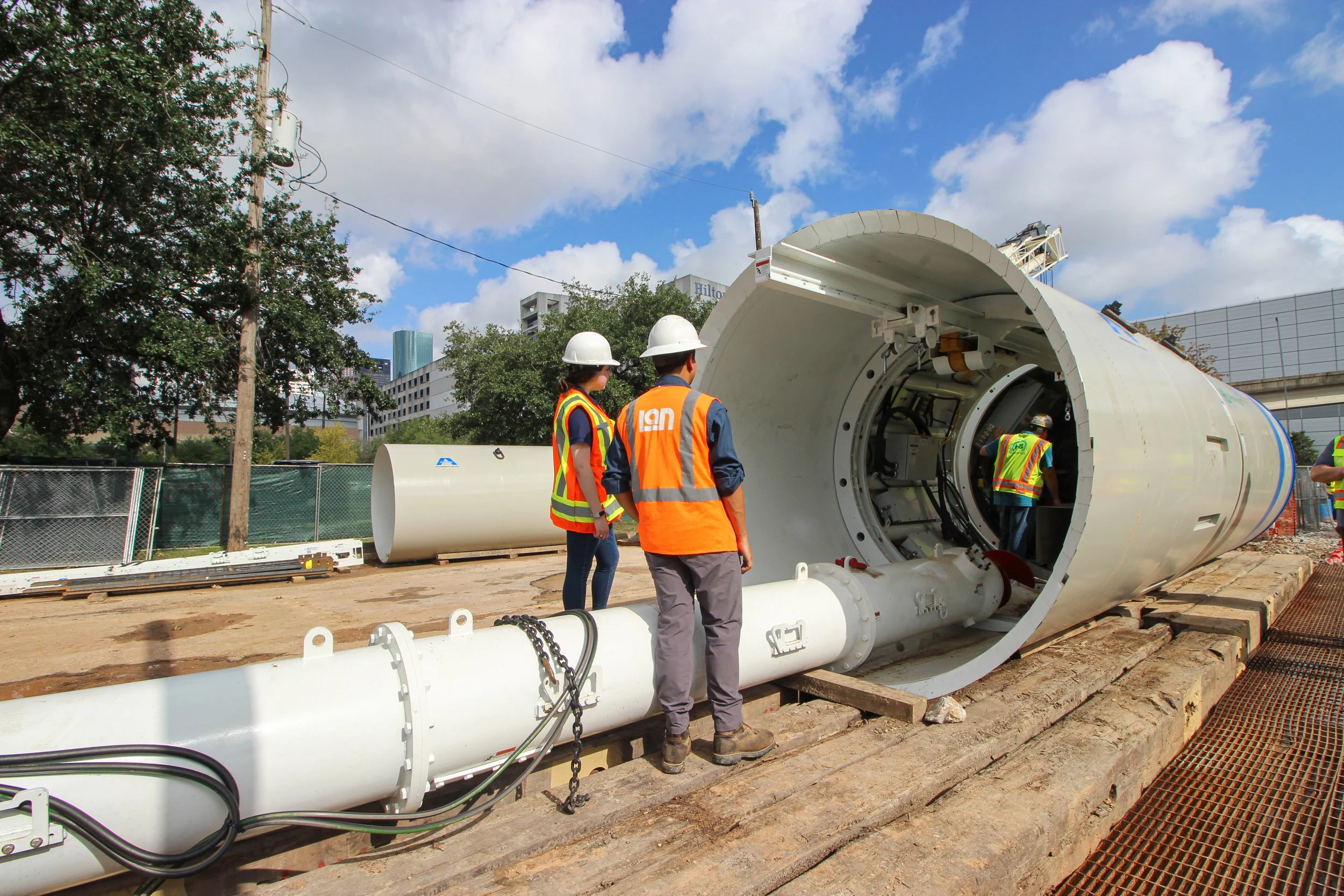
LAN designs more than 200,000 linear feet of large-diameter interceptors and over 100,000 linear feet of pipeline rehabilitation, consistently ranking among the top 25 firms in the country for trenchless design.
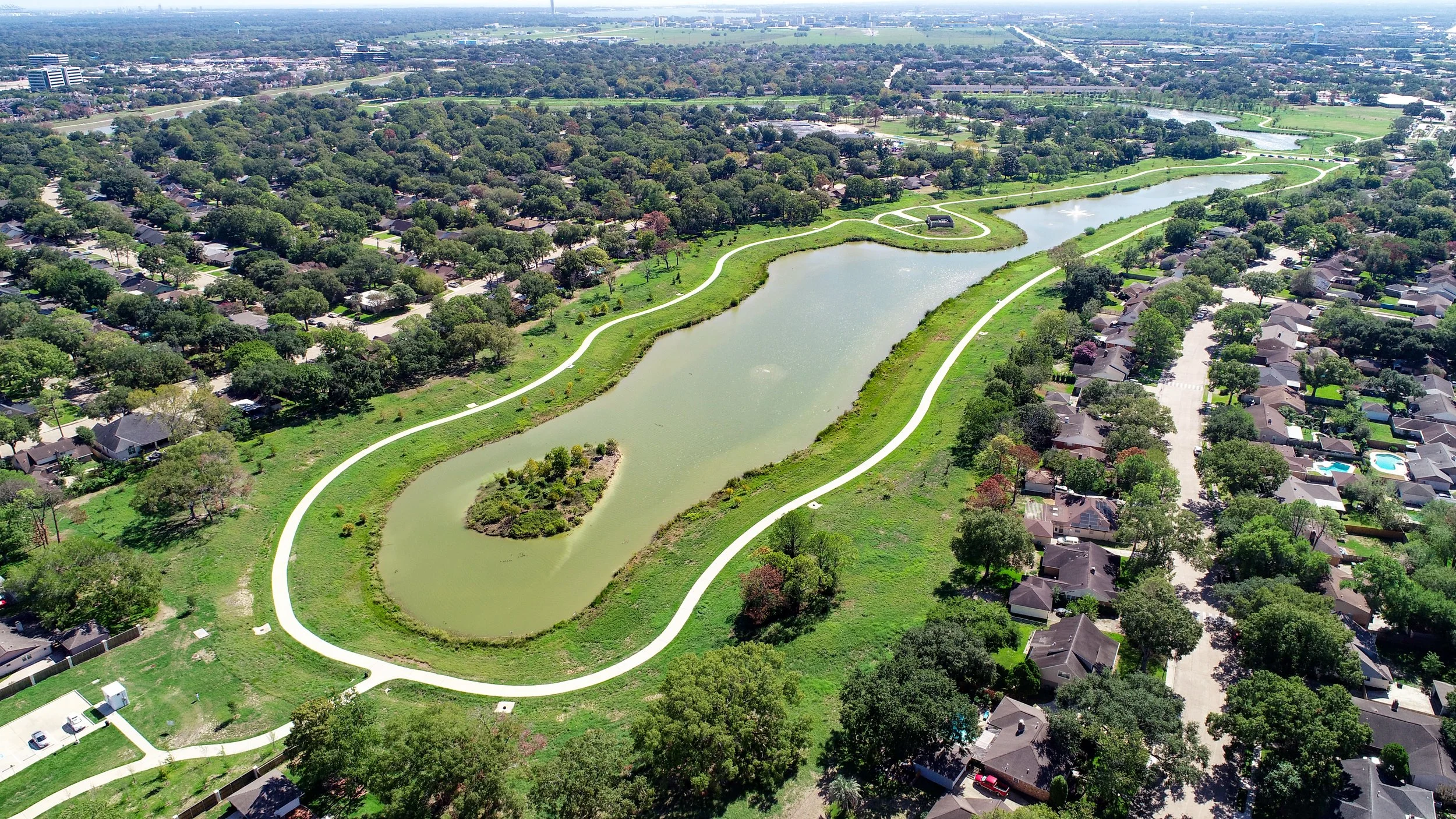
LAN completes design and delivery of Exploration Green, a nationally recognized 178-acre flood control and nature park project in Clear lake, Texas. The site protects over 2,000 homes, offers restored native habitat and serves as a model for resilient, community-driven infrastructure.
LAN completes a strategic partnership with Hennick & Company. Senior employees acquire a significant ownership interest in the firm, marking the most significant expansion of equity ownership in the companys history.
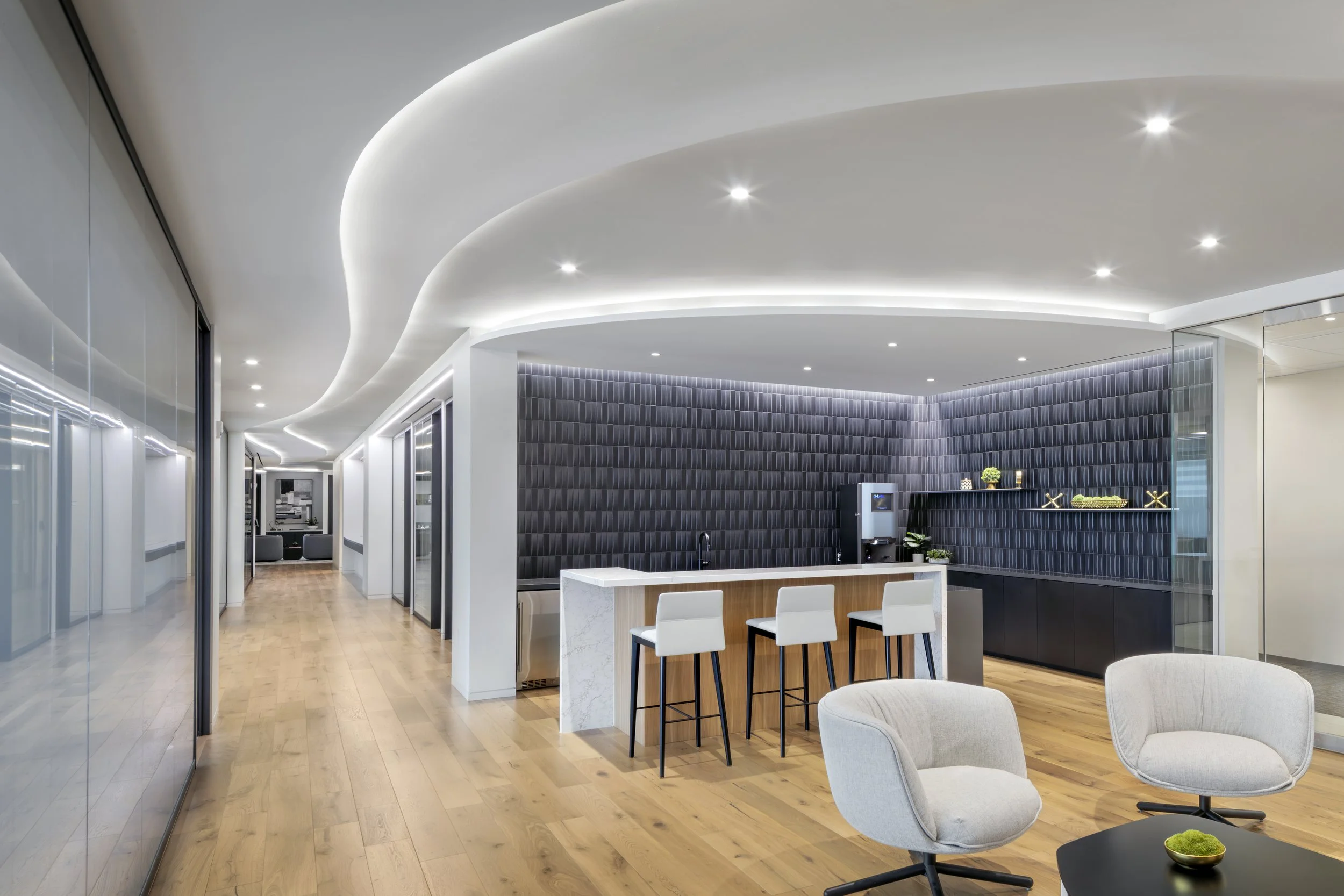
The Houston office also relocates to an updated and modern space.
1935
With a vision of the future, a small consulting firm opened its doors in 1935. The firm’s founders, Mason Graves Lockwood and William McIntosh Andrews were two young engineers with a dream. This was during the Great Depression and a difficult time to start and establish a new business.
1936
Lockwood and Andrews meet Jack Burrus, President of Burrus Mills, Inc. He was impressed by their ability and determination and agreed to provide them with a yearly retainer to enable them to begin. So, along with J.R. Dowdell, a mechanical engineer, they formed the new firm of Dowdell, Lockwood & Andrews. Offices were opened in the Esperson Building in downtown Houston.
1936
Mr. Burrus had widespread grain storage and grain operations interests in Texas and neighboring states. His first two jobs for the new team were the design and construction of new grain elevators in Amarillo and Lubbock, Texas. This relationship continued until Burrus Mills was sold and Mr. Burrus retired in 1966.
1941
The depression, with its accompanying unemployment, was still dominating the economy in 1940, but the threat of war initiated major military construction programs. In the spring of 1941, Lockwood & Andrews were awarded the engineering contract for the San Jacinto Ordnance Depot. The 5,000 acres along the north side of Houston’s ship channel makes up present day’s Jacinto Port. Contracts for the design of additional military projects followed. They formed the main workload for the firm for the rest of the war years.
1945
The firm worked on various war-related projects such as reservoirs, pump stations and large water supply lines from river sources to the ship channel and other industries, including the Harris reservoir on the Brazos for the Dow Plant at Freeport.
1946
Another project, financed by the federal government, was the design and construction of the original plant for Converted Rice, Inc. (now Uncle Ben’s, Inc.) in Houston. The plant was based on a process that preserved the vitamins in the rice grain, giving the product long life and resistance to deterioration, which appealed to the military services during the war.
1946
With the growth of the firm, Mason Lockwood and Bill Andrews realized they needed additional help to run it. Frank H. Newnam, Jr., a classmate of Bill Andrews at Texas A&M, joined the firm as a partner.
1948
With its growing capacities and abilities in the period shortly after World War II, the firm took on work for ports, municipalities, other government agencies, industries and institutions. Projects included several very large incinerators for the City of Houston, a section of the Gulf Freeway and wharves for the Port of Houston.
1952
The firm was now off and running with a constantly increasing number of jobs and an ever-increasing list of clients. A major 1950’s project was the intake structure and main pumping station at Lake Houston with 12 miles of concrete-lined canal from the pumping station to the City’s treatment plant.
1961
The name of the firm was changed to Lockwood, Andrews & Newnam (called LAN hereafter). Until 1960, the three partners remained owners of the firm, assisted by key personnel or division heads. After the death of the original partner and founder Bill Andrews, it was decided to continue the firm name. The firm was incorporated in 1961.
1962
The firm joined a joint venture for the master planning and design of the Houston Intercontinental Airport which continued for twenty years for the phased growth of the airport.
1964
The firm provided the excavation and sub-drainage (sunken playing field), electrical design, and plans and specifications for the Astrodome, Houston’s unique domed stadium, which set new standards for stadium design. Electrical design included the $2,000,000 scoreboard.
1966
In order to avoid the problems that have beset engineering firms upon the death or retirement of the original principals, a plan initiated in 1966 by Mason Lockwood and Frank Newnam detailed a process for the orderly transfer of ownership and management.
1979
The firm establishes offices in Dallas, Denver, Los Angeles and San Antonio.
1980
LAN moved into hazardous waste management. It was responsible for the remedial investigation, feasibility study, design and construction management of the Sikes Disposal Pits Superfund Site near Crosby, Texas. This $120 million remediation project
involved the incineration of 350,000 cubic yards of contaminated soil and groundwater remediation and is the largest Superfund project successfully completed.
1990
The firm takes on program and construction management of a $200 million program of large diameter transmission mains to convert the City of Houston from a predominately groundwater supply system to an 80 percent surface water supply system for the control of subsidence in the area.
1991
The Leo A Daly Company, a national architectural and engineering firm, acquired LAN, which then became the wholly owned subsidiary of the Daly organization. This enhanced LAN’s ability to provide services for a wide range of projects and assignments throughout the U.S. and internationally.
1999
LAN opens a new office in Austin, Texas.
2000
LAN begins providing Right-of-Way acquisition services under TxDOT’s Right-of-Way Acquisition Progessional Services Program to support major infrastructure projects across Texas.
2005
LAN acquires Walton Associates to launch the firm into providing K-12 bond program management services.
2008
LAN expands its services to the Western and Midwest region, with new offices in Sacremento, Chicago, Flint, Tampa, Las Vegas and Milpitas.
2012
LAN is contracted for the Silicon Valley Berryessa Extension project, the largest commuter project in Northern California.
2014
The firm expands its capabilities in water quality modeling and tool development, becoming an early adopter of two-dimensional modeling for complex drainage analysis and began providing holistic watershed master planning.
2015
The Dallas Area Rapid Transit Orange Line opens into the airport - the 4th light rail in the country to conntect to an airport.
2020
LAN continues to expand its project portfolio, including major water, wastewater, transportation and stormwater management projects across Texas and the U.S.
2022
LAN designs more than 200,000 linear feet of large-diameter interceptors and over 100,000 linear feet of pipeline rehabilitation, consistently ranking among the top 25 firms in the country for trenchless design.
2023
LAN completes design and delivery of Exploration Green, a nationally recognized 178-acre flood control and nature park project in Clear lake, Texas. The site protects over 2,000 homes, offers restored native habitat and serves as a model for resilient, community-driven infrastructure.
2024
LAN completes a strategic partnership with Hennick & Company. Senior employees acquire a significant ownership interest in the firm, marking the most significant expansion of equity ownership in the companys history.
The Houston office also relocates to an updated and modern space.