AI, Digital Twins, and the Future of Capital Planning
By Kyle LeBlanc, PE, CFM, LEED GA
Public works agencies are managing increasingly complex portfolios of facilities and infrastructure while making capital decisions that can affect budgets, operations, and service delivery for decades. As those portfolios grow and the amount of available asset information expands, the challenge is no longer simply documenting needs. It is using that information in a way that helps agencies make better long-term investment decisions.
Artificial intelligence and digital twins are beginning to change how that information can be organized, analyzed, and applied to capital planning. Their value, however, depends on the asset management practices beneath them. Agencies need reliable inventories, field-verified condition data, clear prioritization criteria, cost information, and processes for keeping those data current before more advanced tools can meaningfully improve decision-making.
For public works leaders, that foundation can support a more responsive capital planning process that helps determine where investment is most needed, when intervention is most cost-effective, and how different funding decisions may affect long-term cost and risk.
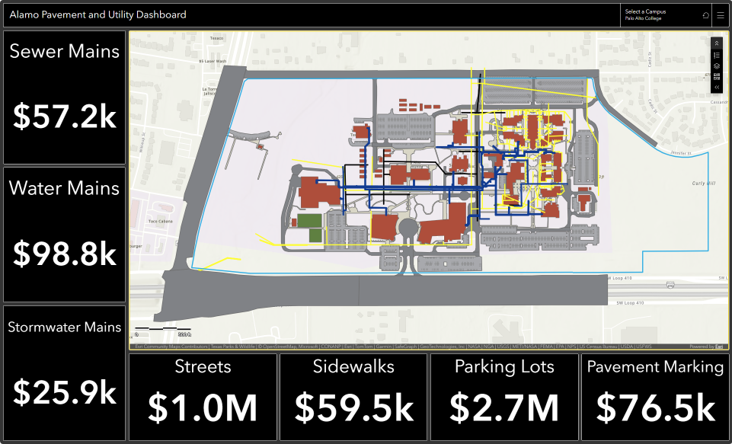
GIS-based asset management brings infrastructure location and cost information into a common view, creating a foundation for condition, risk, and capital planning.
Build a Reliable Basis for Investment Decisions
Condition assessments provide an important starting point by identifying what an agency owns, what condition those assets are in, and what deficiencies need to be addressed. Their usefulness increases when the information is maintained over time and evaluated in the context of how assets actually support operations.
One example of this approach is Alamo Colleges District, a five-college higher education system in the San Antonio area with more than 6 million square feet of facilities across 778 acres. The district’s asset management program provides a useful example of how condition data can be structured and maintained to support long-term capital planning.
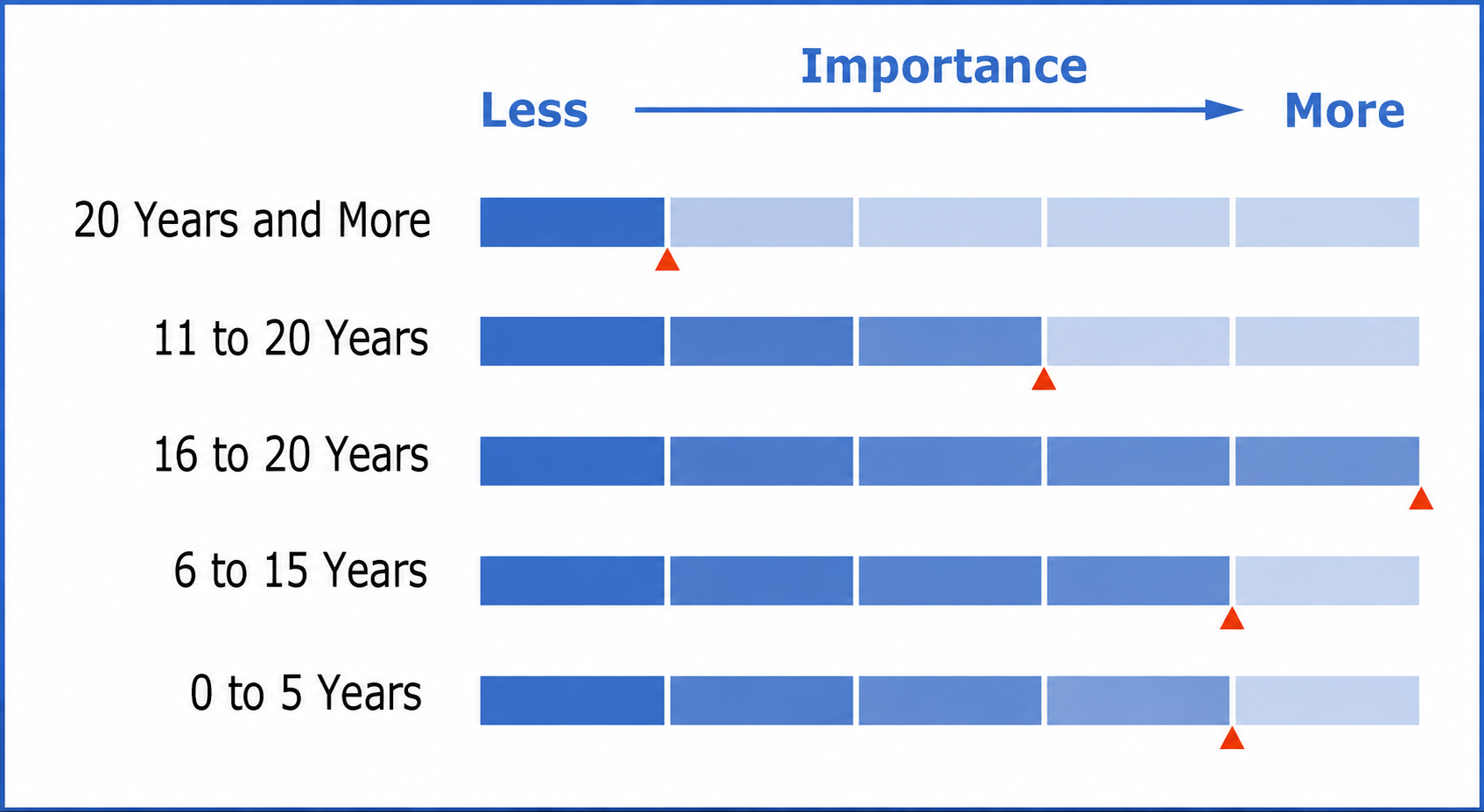
At Alamo Colleges District, facility condition information is based on field-verified deficiencies and is updated and refined annually rather than treated as a one-time study. Needs are evaluated through a weighted prioritization approach that considers building systems, requirement priority, building use, age, and condition.
That distinction matters because the asset in the poorest condition is not always the asset that should receive funding first. A system supporting critical operations may warrant earlier intervention than one with a lower condition score but limited operational consequence. Public works agencies face the same issue across facilities, pavement, drainage systems, water and wastewater infrastructure, and other assets.
A useful prioritization framework therefore needs to reflect not only physical condition, but also criticality, consequence of failure, remaining useful life, service impacts, and cost. Those factors turn an inventory of deficiencies into a more defensible basis for deciding how limited capital should be allocated.
“AI and digital twins can help public works agencies make better use of the asset information they already collect so they can prioritize the right projects, understand the risk of delaying work, and get more long-term value from limited capital dollars.”
– Kyle LeBlanc, PE, CFM, LEED GA
Connect Asset Information Before Trying to Make it Predictive
One of the obstacles to stronger capital planning is that the information needed to make a decision often exists in multiple places. GIS, record drawings, inspection reports, maintenance systems, spreadsheets, project files, and staff knowledge may each contain part of the asset history. A digital twin can help bring those pieces together by creating a digital representation of the physical system and connecting individual assets to the information used to manage them.
Alamo Colleges has been extending its asset management program beyond buildings to pavement, storm drainage, domestic and fire water, wastewater, electrical distribution, thermal utilities, and natural gas systems. GIS is being used to consolidate information that previously existed across CAD files, PDFs, record drawings, utility maps, and field observations.
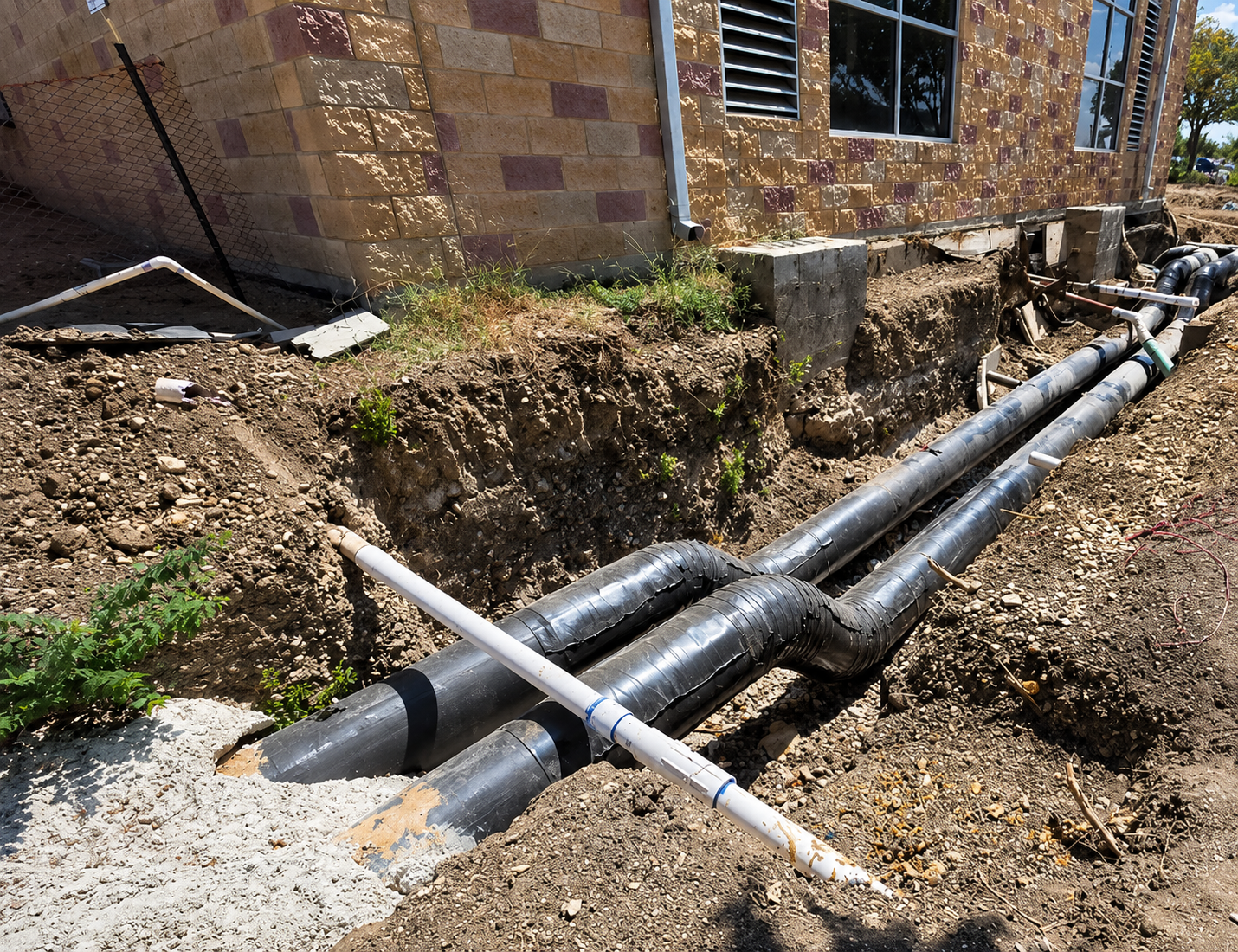
Buried utilities and other linear assets are often difficult to assess and easy to overlook until a failure occurs. Connecting these physical assets to GIS, condition, and lifecycle data creates the foundation for digital twins and more predictive capital planning.
The real value comes when mapped assets are connected to verified condition, criticality, likelihood and consequence of failure, remaining useful life, and capital needs. At that point, the digital twin becomes more than a visualization tool; it becomes part of the framework used to evaluate risk, timing, and investment priorities.
Although Alamo Colleges District manages a higher education portfolio, the same asset management principles apply to public works agencies managing pavement, drainage, water, wastewater, electrical systems and other infrastructure.
Show What Different Levels of Investment Will Accomplish
A large backlog does not, by itself, tell decision-makers what level of funding is needed or what a proposed investment is expected to change. Structured asset data allows agencies to model future condition under different funding scenarios and better explain the relationship between capital investment and long-term outcomes.
At Alamo Colleges, facility condition modeling showed that overall condition would continue to worsen over 10 years even as annual preventive maintenance funding increased. That analysis helped support a $270 million investment in deferred maintenance, which was projected to stabilize facility condition over the same period.
That changes the capital discussion. Instead of presenting only a list of projects and a total cost, an agency can show how current funding is likely to affect future condition, where additional investment may change that trajectory, and where delaying work may create greater cost or operational exposure.
Maintaining current priorities also helps agencies act when funding becomes available. Alamo Colleges already had an established three-year preventive-maintenance planning process and vetted priorities in place before the funding opportunity emerged, allowing the district to move more quickly into capital planning.
For public works agencies pursuing grants, bonds, or other funding sources, that readiness means the investment strategy does not have to be developed from scratch after the opportunity appears.
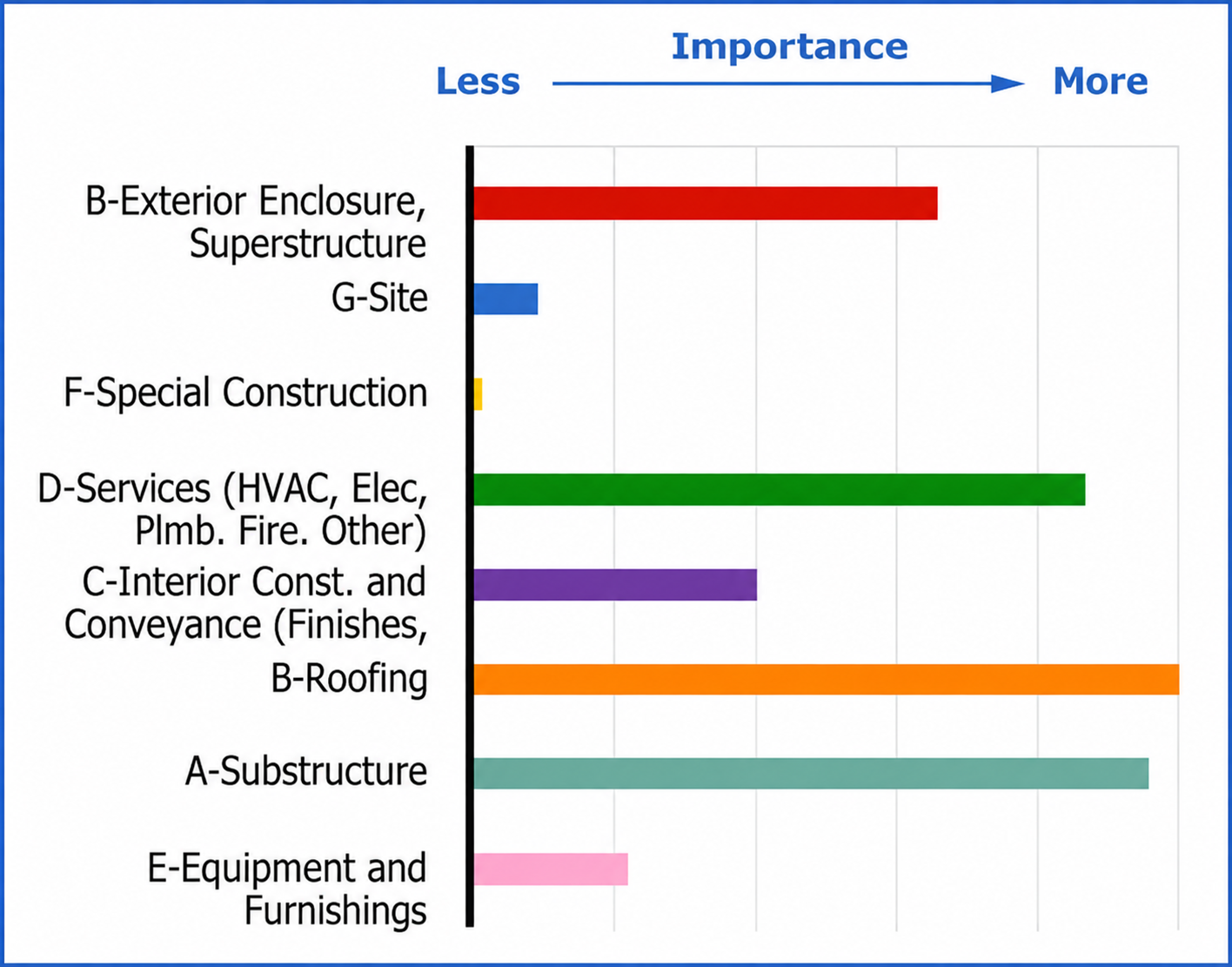
Alamo Colleges’ prioritization model combines system category, requirement priority, building use, age, and condition to rank capital needs. Structuring those decision factors consistently creates the kind of data foundation that AI can use to support more dynamic prioritization and forecasting.
Use AI to Keep Capital Priorities Current
Asset management systems can already support strong capital decisions, but much of the analysis still occurs periodically. Staff review condition data, update costs, apply prioritization criteria, and develop funding scenarios at defined points in the planning cycle.
AI has the potential to make that process more continuous. With reliable condition, lifecycle, maintenance, criticality, and cost data in place, an AI-enabled system could reassess priorities as new information is added.
If an asset deteriorates faster than expected, its priority could be reevaluated.
If costs change, lifecycle comparisons between repair and replacement could be updated. If a project is deferred, the effect on future condition, cost, and risk could be recalculated.
The objective is not an automatically generated capital improvement program. Engineering judgment, operational experience, regulatory requirements, and community priorities still determine what an agency ultimately does.
AI is better viewed as a decision-support layer that helps staff evaluate more information and update analyses more efficiently as conditions change.
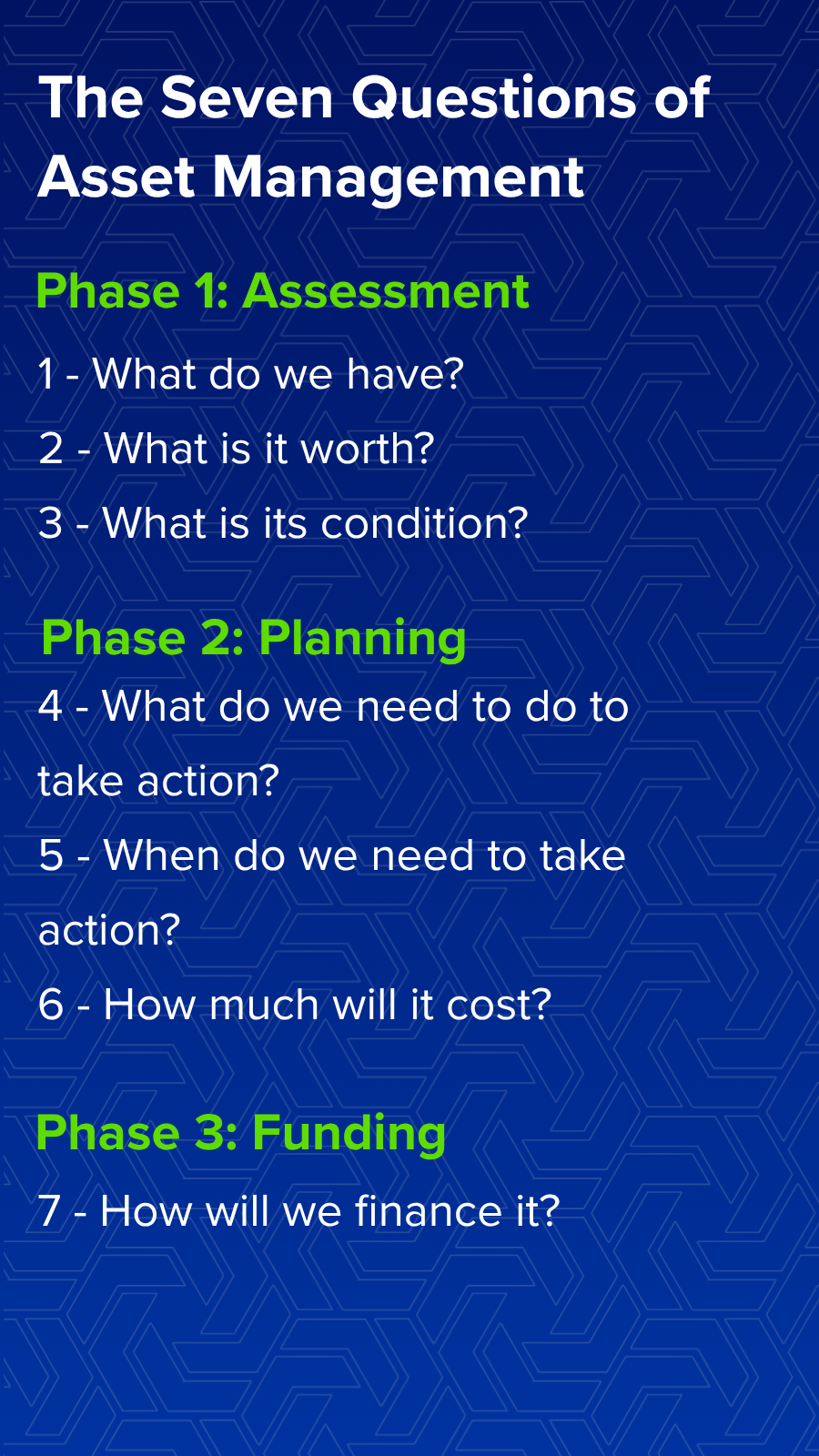
7 - How will we finance it

Kyle LeBlanc, PE, CFM, LEED GA, is a project manager with 18 years of experience in facility condition assessments, asset management, facilities master planning, and program management. He has managed assessments covering more than 42 million SF of facilities for 17 clients.
Related Services

Explore Education → Planning, design and program management services for K-12 and higher education facilities that support students, educators and growing communities.
More Insights